- Honours and Masters by Coursework

Explore our project guide for a wide range of Honours and Masters projects
- The Peter Doherty Institute for Infection and Immunity
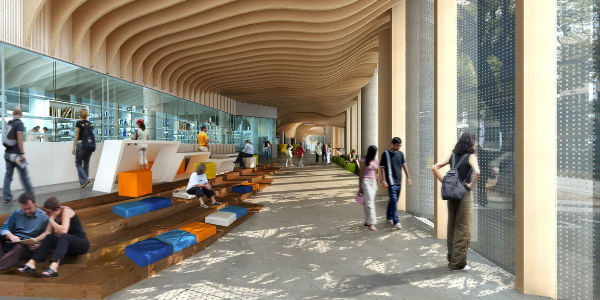
A joint venture between The University of Melbourne and The Royal Melbourne Hospital, combining research, teaching, public health and reference laboratory services, diagnostic services and clinical care.
- Bonn & Melbourne Research and Graduate School
Delivering basic and applied science through innovation, international engagement and training of the next generation of scientists.
- Microbiological Diagnostic Unit Public Health Laboratory
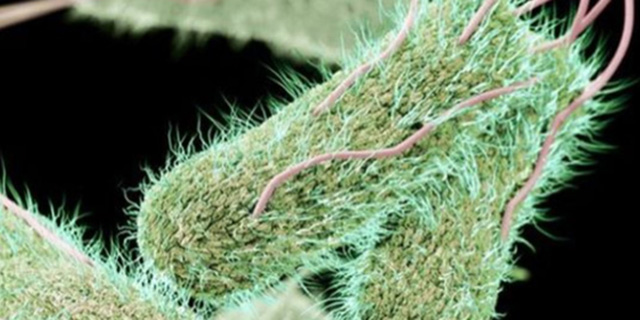
Providing a comprehensive microbiology service for the investigation of infectious diseases, and food and waterborne outbreaks in Victoria.

Welcome to the Department of Microbiology & Immunology
Meet our Head of Department, Professor Andrew Brooks - and find out what’s happening around Microbiology & Immunology.
News & Events
Want to know more about the Department of Microbiology & Immunology
P: +61 3 9035 3581
E: micro-admin@unimelb.edu.au
Stay up to date with the School’s news and events
The School of Biomedical Sciences is part of the largest biomedical precinct in the southern hemisphere. Outstanding facilities and commitment to discovery makes the School in demand among the brightest minds in biomedical research.
-
Research Groups
The Department's research groups are contributing to world-changing research and are dedicated to advancing human health.
-
Research Training
We are passionate about training and mentoring the next generation of biomedical scientists. Start your research career with us through Honours, Masters and PhD level programs.
-
Research Services
The Department of Microbiology & Immunology has a number of services available to the research community. Find out how our services, facilities and equipment can accelerate your research.
Graduate Research at MDHS
A resource for students and supervisors seeking up to date information about policies and procedures
Microbiological Diagnostic Unit Public Health Laboratory (MDUPHL)
The MDUPHL provides a comprehensive microbiology service for the investigation of infectious diseases, and food and waterborne outbreaks in Victoria.
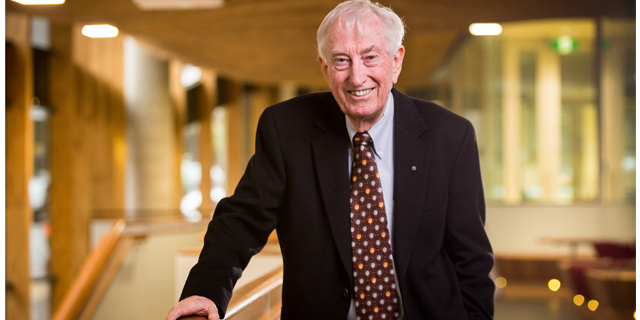
Laureate Professor Peter Doherty
Namesake and patron of the Peter Doherty Institute for Infection & Immunity, Laureate Professor Peter Doherty shared the 1996 Nobel Medicine Prize with Swiss colleague Rolf Zinkernagel, for their discoveries about transplantation and “killer” T cell-mediated immunity, an understanding that is currently translating into new cancer treatments. Professor Doherty is Head of the Influenza Research Group in the Department of Microbiology and Immunology.
This is one of the greatest eras of scientific discovery, and you can be part of it. No matter what medicine and professional health career you want to pursue – or if you have another pathway such as law, engineering or business in mind – begin your journey here.
-
Degrees
Learn from world-renowned academics in the heart of the Melbourne Biomedical Precinct – the perfect way to begin in the field of biomedical science.
-
Current Students
Everything you need to know about course planning, graduate pathways, how to enrich your studies and where to seek support.
-
Graduate Research
We are passionate about training and mentoring the next generation of biomedical scientists. Here’s how to start your research career at Melbourne.
-
Student Prizes
The department offers a number of scholarships, bursaries and prizes to coursework and research students across Microbiology, Immunology and Pathology.

Student Resources
A range of support resources are available for students in the Department of Microbiology and Immunology.
-
Honours and Masters of Biomedical Science (Microbiology & Immunology)
-
Meet Our Talent
Meet some of our talented biomedicine students, world-class researchers and teaching talent – and find out where our incredible graduates are now.
-
Scholarship of Teaching and Learning
Bringing together teaching specialists and academics across the School focused on improving student learning, outcomes, experiences and engagement across the biomedical sciences.
Facebook LIVE series
Want to know more about transitioning from high school to the School of Biomedical Sciences, how to navigate exams and what the Biomedicine Students’ Society is all about?
-
Alumni
Our alumni community brings together our talented graduates – from those working in medicine, professional health, engineering to law and commerce. Stay connected with this global network.
-
Support Us
Our alumni and donors enrich our School’s work in many ways. From creating scholarships, supporting ground-breaking research to building partnerships and community engagement.
-
Our Partners
Collaboration with industry, other institutions and research organisations, the community, not-for-profits and government means research outcomes in our School can have a global impact.
-
Community
The School of Biomedical Sciences includes some of the University, and Victoria’s, most historically renowned departments, hosting a number of unique programs of community and scientific interest.
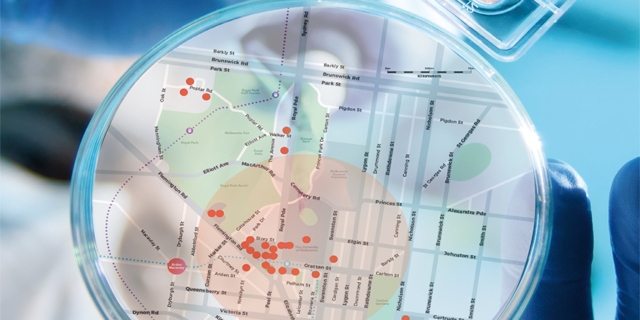
The Biomedical Precinct
The School of Biomedical Sciences at the University of Melbourne is part of the largest biomedical precinct in the southern hemisphere. It is a hub of innovation, exceptional collaboration opportunities and cutting-edge facilities.
The Bonn & Melbourne Research and Graduate School
The Bonn & Melbourne Research and Graduate School delivers basic and applied science through innovation, international engagement and training of the next generation of scientists.
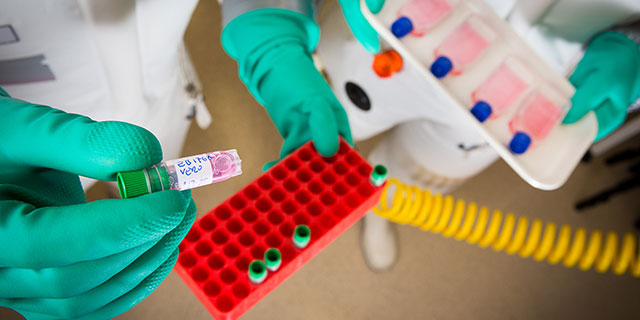
Welcome to the Department of Microbiology & Immunology
Where exceptional science supported by world class facilities allows us to transform and communicate our understanding of infection, immunity and disease.
Meet our Head of Department
Professor Andrew Brooks leads the Department of Microbiology and Immunology, comprising more than 390 staff, including 25 full Professors, 150 graduate researchers and around 35 research groups that are actively involved in microbiology and immunology research and teaching.

-
Contact Us
General enquiries, where to find us, deliveries and media requests.
-
Our People
The world-class researchers, award-winning teachers and exceptional staff at the Department of Microbiology and Immunology.
-
A Brief History
A history of teaching and researching microbiology and immunology since 1929.
-
The Peter Doherty Institute for Infection and Immunity
A joint venture between The University of Melbourne and The Royal Melbourne Hospital, combining research, teaching, public health and reference laboratory services, diagnostic services and clinical care.
Laureate Professor Peter Doherty
Namesake and patron of the Peter Doherty Institute for Infection & Immunity, Laureate Professor Peter Doherty shared the 1996 Nobel Medicine Prize with Swiss colleague Rolf Zinkernagel, for their discoveries about transplantation and “killer” T cell-mediated immunity, an understanding that is currently translating into new cancer treatments. Professor Doherty is Head of the Influenza Research Group in the Department of Microbiology and Immunology.