Strugnell Laboratory
Page Contents
Include: Research Interests | Major Research Projects | Laboratory Staff | Recent Publications
Research Interests
The Laboratory is interested in how bacteria cause disease and what interventions can be made to stop this happening. The research is therefore focused into three areas:
- The bacterial products and strategies that allow the organism to avoid being destroyed by the mammalian immune system;
- The types of immune responses that can circumvent these strategies and products; and
- Using novel genomic approaches to study the evolution and transmission of bacterial pathogens.
The product of this research is captured in the development of novel vaccines and informing public health.
The lab is part of the NHMRC Program in Cellular Microbiology, which incorporates researchers from the University of Melbourne (Strugnell and Hartland labs), Monash University (Lithgow lab) and the University of Queensland (Teasdale and Stow labs).
Major Research Projects
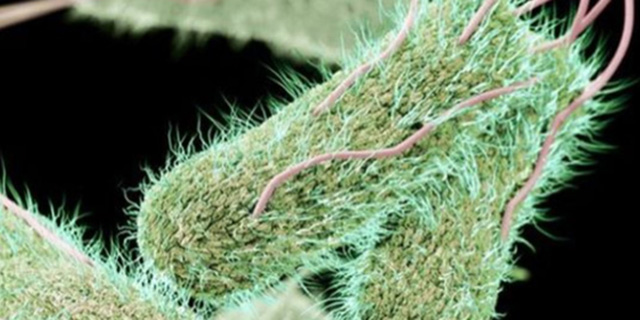
The main bacteria under experimental investigation are Salmonella Typhimurium, Klebsiella pneumoniae and Streptococcus pneumoniae. Each of these bacteria has a different relationship with its mammalian host.
For recent reviews from our research group, see:
Different bacterial pathogens, different strategies, yet the aim is the same: evasion of intestinal dendritic cell recognition
Bedoui S, Kupz A, Wijburg OL, Walduck AK, Rescigno M, Strugnell RA.
J Immunol 2010; 184(5): 2237-42.
The role of secretory antibodies in infection immunity
Strugnell RA, Wijburg OL.
Nat Rev Microbiol 2010; 8(9): 656-67.
Navigating the future of bacterial molecular epidemiology
Baker S, Hanage WP, Holt KE.
Curr Opin Microbiol 2010; 13(5): 640-645.
Salmonella Typhimurium
Salmonella Typhimurium is an intracellular bacterium that replicates with macrophages, specialised cells designed to ‘clean' the blood of pathogenic organisms. The intracellular location means that many antibiotics are ineffective, and vaccines dependent on T lymphocytes are important to host resistance to reinfection. We are currently examining how the bacterium can persist inside cells like macrophages and the metabolic processes the bacterium uses to facilitate intracellular replication. Our experience in manipulating Salmonella and its use in vaccination against Salmonella disease, and as a ‘vector' for vaccination against unrelated pathogens, has been exploited in the search for new human vaccines.
Recent research highlights:
NLRC4 inflammasomes in dendritic cells regulate noncognate effector function by memory CD8⁺ T cells
Kupz A, Guarda G, Gebhardt T, Sander LE, Short KR, Diavatopoulos DA, Wijburg OL, Cao H, Waithman JC, Chen W,
Fernandez-Ruiz D, Whitney PG, Heath WR, Curtiss R 3rd, Tschopp J, Strugnell RA, Bedoui S.
Nature Immunology 2012; 13(2): 162-9.
Memory T cells exert antigen-independent effector functions, but how these responses are regulated is unclear. We discovered an in vivo link between flagellin-induced NLRC4 inflammasome activation in splenic dendritic cells (DCs) and host protective interferon-γ (IFN-γ) secretion by noncognate memory CD8(+) T cells, which could be activated by Salmonella enterica serovar Typhimurium, Yersinia pseudotuberculosis and Pseudomonas aeruginosa. We show that CD8α(+) DCs were particularly efficient at sensing bacterial flagellin through NLRC4 inflammasomes. Although this activation released interleukin 18 (IL-18) and IL-1β, only IL-18 was required for IFN-γ production by memory CD8(+) T cells. Conversely, only the release of IL-1β, but not IL-18, depended on priming signals mediated by Toll-like receptors. These findings provide a comprehensive mechanistic framework for the regulation of noncognate memory T cell responses during bacterial immunity.
Klebsiella pneumoniae
Klebsiella pneumoniae is a neglected bacterial pathogen of importance to elderly, hospitalised patients in e.g. ICUs where it causes pneumonia, wound and urinary tract infections. The bacterium is heavily encapsulated, appears to reside extracellularly and grows rapidly in the blood. The genome of this bacterium is relatively large and contains many functionally undefined genes. The studies we are undertaking are aimed at elucidating the processes leading to infection, disease and immunity in small animal models. These studies are directed at defining the role(s) of lipopolysaccharide, iron, conserved membrane proteins and the variable carbohydrate antigens produced by this bacterium in the pathogenesis of K. pneumoniae disease.
Recent research highlights:
MrkH, a Novel c-di-GMP-Dependent Transcriptional Activator, Controls Klebsiella pneumoniae Biofilm Formation
by Regulating Type 3 Fimbriae Expression
Wilksch JJ, Yang Ji, Clements Abigail, Gabbe Jacinta L, Short Kirsty R, Cao Hanwei, Cavaliere Rosalia, James Catherine E,
Whitchurch Cynthia B, Schembri Mark A, Chuah Mary LC, Liang Zhao-Xun, Wijburg Odilia L, Jenney Adam W, Lithgow Trevor, Strugnell Richard A.
PLoS Pathogens 2011; 7(8): e1002204, (Open access)
Biofilms are surface-associated communities of microorganisms. Biofilm-associated bacteria are protected from host defenses and antibiotics and are the cause of many infections. Klebsiella pneumoniae is primarily a hospital-acquired bacterial pathogen that causes pneumonia, urinary tract infections and septicemia. Its success is related to its ability to form biofilms on medical devices, such as catheters. In K. pneumoniae, biofilm formation is mediated by type 3 fimbriae – hair-like, protein appendages extending out from the cell surface that adhere to surfaces. This study investigated how K. pneumoniae regulates the expression of these fimbriae. We identified a protein, MrkH, which behaves as a “biofilm switch“” that turns on the expression of genes responsible for producing type 3 fimbriae. MrkH works by binding to regulatory regions of DNA nearby to these genes and initiates their expression. Importantly, MrkH binds to DNA strongly only when the protein is stimulated by a small molecule, c-di-GMP. Furthermore, we identified bacterial enzymes that either produce or break down c-di-GMP to control its concentration within the cell, and thus modulate MrkH activity. Understanding the molecular basis for these processes may lead to the development of therapeutic compounds, possibly for incorporation into medical device materials to inhibit biofilm formation and pathogenesis.
Bacterial genomic epidemiology (Dr Kathryn Holt)
We use whole genome sequencing to study populations of bacteria contributing to disease in Australia and developing countries. This includes in-depth studies of microevolution in specific pathogen populations (e.g. Salmonella Typhi – typhoid; Shigella sonnei – dysentery; Klebsiella pneumoniae – pneumonia, UTI and other infections), using next generation sequencing technologies to sequence and compare the genomes of hundreds of closely related isolates of the same pathogen. In these studies, it is the minor differences between isolates (e.g. between Salmonella Typhi isolated from different typhoid fever patients in a particular location) that are of most interest, as they reveal how the pathogen is evolving in response to selective pressures (e.g. exposure to antibiotics, vaccine-induced immunity, or natural host immunity). A related area of research is developing high-resolution typing schemes to study bacteria associated with human infections, especially foodborne infections such as Salmonella and Listeria.
Sequencing is done either using in-house platforms (Illumina MiSeq, Ion Torrent) or Illumina HiSeq and 454 for larger projects. We then use high performance computing, including the Victorian Life Sciences Computation Initiative (VLSCI) to perform comparative and phylogenetic analysis.
Recent research highlights:
Shigella sonnei genome sequencing and phylogenetic analysis indicate recent global dissemination from Europe.
Holt KE, Baker S, Weill FX, Holmes EC, Kitchen A, Yu J, Sangal V, Brown DJ, Coia JE, Kim DW, Choi SY, Kim SH, da Silveira WD,
Pickard DJ, Farrar JJ, Parkhill J, Dougan G, Thomson NR.
Nature Genetics 2012 (Aug 5); doi: 10.1038/ng.2369.
Shigella are human-adapted Escherichia coli that have gained the ability to invade the human gut mucosa and cause dysentery, spreading efficiently via low-dose fecal-oral transmission. Historically, S. sonnei has been predominantly responsible for dysentery in developed countries but is now emerging as a problem in the developing world, seeming to replace the more diverse S. flexneri in areas undergoing economic development and improvements in water quality. Classical approaches have shown that S. sonnei is genetically conserved and clonal. We report here whole-genome sequencing of 132 globally distributed isolates. Our phylogenetic analysis shows that the current S. sonnei population descends from a common ancestor that existed less than 500 years ago and that diversified into several distinct lineages with unique characteristics. Our analysis suggests that the majority of this diversification occurred in Europe and was followed by more recent establishment of local pathogen populations on other continents, predominantly due to the pandemic spread of a single, rapidly evolving, multidrug-resistant lineage.
Combined high-resolution genotyping and geospatial analysis reveals modes of endemic urban typhoid fever transmission
Holt KE, Baker S, Clements ACA, Karkey A, Arjyal A, Boni MF, Dongol S, Hammond N, Koirala S, Duy PT, Nga TVT, Campbell JI,
Dolecek C, Basnyat B, Dougan G, Farrar JJ.
Open Biology 1:110008.
Typhoid is a systemic infection caused by Salmonella Typhi and Salmonella Paratyphi A, human-restricted bacteria that are transmitted faeco-orally. Salmonella Typhi and S. Paratyphi A are clonal, and their limited genetic diversity has precluded the identification of long-term transmission networks in areas with a high disease burden. To improve our understanding of typhoid transmission we have taken a novel approach, performing a longitudinal spatial case–control study for typhoid in Nepal, combining single-nucleotide polymorphism genotyping and case localization via global positioning. We show extensive clustering of typhoid occurring independent of population size and density. For the first time, we demonstrate an extensive range of genotypes existing within typhoid clusters, and even within individual households, including some resulting from clonal expansion. Furthermore, although the data provide evidence for direct human-to-human transmission, we demonstrate an overwhelming contribution of indirect transmission, potentially via contaminated water. Consistent with this, we detected S. Typhi and S. Paratyphi A in water supplies and found that typhoid was spatially associated with public water sources and low elevation. These findings have implications for typhoid-control strategies, and our innovative approach may be applied to other diseases caused by other monophyletic or emerging pathogens.
See additional genomics papers below.
Collaborators:
Trevor Lithgow (Biochemistry, Monash University)*
Liz Hartland (Microbiology & Immunology, University of Melbourne)*
Jenny Stow (IMB, University of Queensland)*
Rohan Teasdale (IMB, University of Queensland)*
Michelle Gee (Chemistry, University of Melbourne)*
Roy Robins-Browne (Microbiology & Immunology, University of Melbourne)
Tim Stinear (Microbiology & Immunology, University of Melbourne)
Geoff Hogg (Microbiological Diagnostic Unit Public Health Laboratory, University of Melbourne)
Patrick Reading (Microbiology & Immunology, University of Melbourne)
Bill Heath & Frank Carbone (Microbiology & Immunology, University of Melbourne)
Andrew Brooks (Microbiology & Immunology, University of Melbourne)
Grant Drummond & Chris Sobey (Pharmacology, Monash University)
Thomas Brodnicki (St. Vincent’s Institute, Melbourne)
Andrew Lew (Walter and Eliza Hall Institute, Melbourne)
Damon Eisen (Victorian Infectious Diseases Service (VIDS), Melbourne Health)
Roy Curtiss III (Biodesign Institute, Arizona State University, USA)
Nick Thomson & Gordon Dougan (Sanger Institute, Hinxton, UK)
Stephen Baker (Oxford University Clinical Research Unit, Ho Chi Minh City, Viet Nam)
Sarah Hamm-Alvarez (University of Southern California, Los Angeles, California)
Wolf-Dietrich Hardt (Microbiology, ETH-Zurich, Switzerland)
*Members of NHMRC Program in Cellular Microbiology
Laboratory Staff
Group Heads
Prof Richard Strugnell (Strugnell/Salmonella & Klebsiella Groups) (Laboratory Head)
Dr Odilia Wijburg (Wijburg/Pneumococcus Group)
Postdoctoral Research Fellow
Dr Kathryn Holt (Genomics)
Research Officers
Dr Hanwei Cao
Dr Andreas Kupz
PhD Students
Mr Jonathan Wilksch
Ms Clare Kinnear (joint with Zoology, University of Melbourne)
Ms Shweta Chaudhary
Mr Timothy Scott
Ms Nancy Wang (with St. Vincent’s Institute, Melbourne)
Ms Jennifer Rivera (with Pharmacology, Monash University)
Ms Chenying Yang
Ms Marie Greyer
Ms Kirsty Short
Masters Students
Claire Gorrie
Recent Publications: 2007 - present
- Yang J, Baldi D, Tauschek M, Strugnell RA, Robins-Browne R. Regulation of the ygh-pppA-yghG-gspCDEFGHIJKLM cluster encoding the type II secretion pathway in enterotoxigenic E. coli by the H-NS and StpA proteins. Journal of Bacteriology 2007; 189: 142-50.
- Gahan ME, Webster DE, Wesselingh SL, Strugnell RA. Impact of plasmid stability on oral DNA delivery by Salmonella enterica serovar Typhimurium. Vaccine 2007; 25: 1476-1483.
- Sait LC, Galic M, Price JD, Simpfendorfer KR, Diavatopoulos DA, Uren TK, Janssen PH, Wijburg OL, Strugnell RA. Secretory antibodies reduce systemic antibody responses against the gastrointestinal commensal flora. International Immunology 2007; 19: 257-65.
- Tan M-P, Kaparakis M, Galic M, Pedersen JS, Pearse M, Wijburg OLC, Janssen PH, Strugnell RA. Chronic Helicobacter pylori infection does not significantly alter the microbiota of the murine stomach. Applied and Environmental Microbiology 2007; 73: 1010-3.
- Clements A, Tull D, Jenney AW, Farn JL, Kim S-H, McPhee JB, Hancock REW, Hartland EL, Pearse MJ , Wijburg OLC, McConville MJ, Strugnell RA. Secondary acylation of Klebsiella pneumoniae lipopolysaccharide contributes to sensitivity to antibacterial peptides. Journal of Biological Chemistry 2007; 282: 15569-77.
- Price JD, Simpfendorfer KR, Mantena RR, Holden J, Heath WR, van Rooijen N, Strugnell RA, Wijburg OLC. Interferon g-independent effects of interleukin-12 on immunity to Salmonella typhimurium. Infection and Immunity 2007; 75: 5753-62.
- Tan MP, Pedersen J, Zhan Y, Lew AM, Pearse MJ, Wijburg OLC, Strugnell RA. CD8+ T cells are associated with severe gastritis in Helicobacter pylori-infected mice in the absence of CD4+ T cells. Infection and Immunity 2008; 76: 1289-97.
- Gaboriaud R, Parcha BS, Gee ML, Holden JA, Strugnell R. Spatially resolved force spectroscopy of bacterial surfaces using force volume imaging. Colloids and Surfaces: B 2008; 62: 206-13.
- Mantena RKR, Wijburg OLC, Vindurampulle C, Bennett-Wood VR, Walduck A, Drummond GR, Davies JK, Robins-BrowneR M, Strugnell RA. Reactive oxygen species are the major antibacterials against Salmonella Typhimurium purine auxotrophs in the phagosome of RAW 264.7 cells. Cellular Microbiology 2008; 10: 1058-73.
- Yang J, Hart E , Tausche Mk, Hartland EL, Strugnell RA, Robins-Browne RM. Bicarbonate-mediated transcriptional activation of divergent operons by virulence regulatory protein, RegA, from Citrobacter rodentium. Molecular Microbiology 2008; 68: 314-27.
- Kaparakis M, Walduck AK , Price JD, Pedersen JS, van Rooijen N, Pearse MJ , Wijburg OL, Strugnell RA. Macrophages are mediators of gastritis in acute Helicobacter pylori infection in C57BL/6 mice. Infection and Immunity 2008; 76: 2235-9.
- Gaboriaud F, Gee ML, Strugnell R, Duval JFL . Coupled electrostatic, hydrodynamic and mechanical properties of bacterial interfaces in aqueous media. Langmuir 2008; 24: 10988-95 (and cover).
- Clements A, Jenney AW, Farn JL, Brown LE, Deliyannis G, Hartland EL, Pearse MJ, Maloney MB, Wesselingh SL, Wijburg OL, Strugnell RA. Targeting subcapsular antigens for prevention of Klebsiella pneumoniae infections. Vaccine 2008; 26: 5649-53.
- Cunningham KA, Carey AJ, FinnieJ M, Bao S, Coon C, Jones R, Wijburg O, Strugnell RA, Timms P, Beagley KW. Poly-immunoglobulin receptor-mediated transport of IgA into the male genital tract is important for clearance of Chlamydia muridarum Infection. American Journal of Reproductive Immunology 2008; 60: 405-14.
- Gahan ME, Webster DE, Wijburg OL, Wesselingh SL, Strugnell RA. Impact of prior immunological exposure on vaccine delivery by Salmonella enterica serovar Typhimurium. Vaccine 2008; 26: 6212-20.
- Clements A, Gaboriaud F, Duval JF, Farn JL, Jenney AW, Lithgow T, Wijburg OL, Hartland EL, Strugnell RA, The major surface-associated saccharides of Klebsiella pneumoniae contribute to host cell association. PLoS ONE 2008; 3: e3817.
- Srilunchang T, Proungvitaya T, Wongratanacheewin S, Strugnell R, Homchampa P. Construction and characterization of an unmarked aroC deletion mutant of Burkholderia pseudomallei strain A2. Southeast Asian Journal of Tropical Medicine and Public Health 2009; 40(1): 123-30.
- Gahan ME, Webster DE, Wesselingh SL, Strugnell RA, Yang J. Bacterial antigen expression is an important component in inducing an immune response to orally administered Salmonella-delivered DNA vaccines. PLoS One 2009; 4(6): e6062.
- Clements A, Bursac D, Gatsos X, Perry AJ, Civciristov S, Celik N, Likic VA, Poggio S, Jacobs-Wagne Cr, Strugnell RA, Lithgow T. The reducible complexity of a mitochondrial molecular machine. Proceedings of the National Academy of Sciences (USA) 2009; 106: 15791-5.
- Chionh YT, Walduck AK, Mitchell HM, Sutton P. A comparison of glycan expression and adhesion of mouse-adapted strains and clinical isolates of Helicobacter pylori. FEMS Immunol Med Microbiol 2009; 57(1): 25-31.
- Diavatopoulos DA, Short KR, Price JT, Wilksch J, Brown LE, Briles DE, Strugnell RA, Wijburg OL. Influenza Virus facilitates Streptococcus pneumoniae transmission and disease. FASEB Journal 2010; 24(6): 1789-98.
- Bedoui S, Kupz A, Wijburg OL, Walduck AK, Rescigno M, Strugnell RA. Different pathogens, different strategies, yet the aim is the same: Evasion of intestinal dendritic cell recognition. Journal of Immunology 2010; 184(5): 2237-42.
- Achard MES, Tree JJ, Holden JA, Simpfendorfer KR, Wijburg OLC, Strugnell RA, Schembri MA, Sweet MJ, Jennings MP, McEwan AG. (2010). The multi-copper oxidase CueO of Salmenella enterica serovar Typhimurium is required for systemic virulence. Infect Immun 2010; 78(5): 2312-9.
- Strugnell RA, Wijburg OLC. The role of secretory antibodies in infection immunity. Nat Rev Microbiol 2010; 8(9): 656-67.
Genomics publications: 2007 - present
- Holt KE, Thomson NR, Wain J, Phan MD, Nair S, Hasan R, Bhutta ZA, Quail MA, Norbertczak H, Walker D, Dougan G, Parkhill J. Multidrug-resistant Salmonella enterica serovar paratyphi A harbors IncHI1 plasmids similar to those found in serovar typhi. J Bacteriol 2007; 189(11): 4257-4264.
- Baker S, Holt K, Whitehead S, Goodhead I, Perkins T, Stocker B, Hardy J, Dougan G. A linear plasmid truncation induces unidirectional flagellar phase change in H:z66 positive Salmonella Typhi. Mol Microbiol 2007; 66(5): 1207-1218.
- Holt KE, Parkhill J, Mazzoni CJ, Roumagnac P, Weill FX, Goodhead I, Rance R, Baker S, Maskell DJ, Wain J, Dolecek C, Achtman M, Dougan G. High-throughput sequencing provides insights into genome variation and evolution in Salmonella Typhi. Nat Genet 2008; 40(8): 987-993.
- Baker S, Holt K, van de Vosse E, Roumagnac P, Whitehead S, King E, Ewels P, Keniry A, Weill FX, Lightfoot D, van Dissel JT, Sanderson KE, Farrar J, Achtman M, Deloukas P, Dougan G. High-throughput genotyping of Salmonella enterica serovar Typhi allowing geographical assignment of haplotypes and pathotypes within an urban District of Jakarta, Indonesia. J Clin Microbiol 2008; 46(5): 1741-1746.
- Holt KE, Thomson NR, Wain J, Langridge GC, Hasan R, Bhutta ZA, Quail MA, Norbertczak H, Walker D, Simmonds M, White B, Bason N, Mungall K, Dougan G, Parkhill J. Pseudogene accumulation in the evolutionary histories of Salmonella enterica serovars Paratyphi A and Typhi. BMC Genomics 2009; 10: 36.
- Kingsley RA, Msefula CL, Thomson NR, Kariuki S, Holt KE, Gordon MA, Harris D, Clarke L, Whitehead S, Sangal V, Marsh K, Achtman M, Molyneux ME, Cormican M, Parkhill J, MacLennan CA, Heyderman RS, Dougan G. Epidemic multiple drug resistant Salmonella Typhimurium causing invasive disease in sub-Saharan Africa have a distinct genotype. Genome Res 2009; 19(12): 2279-2287.
- Phan MD, Kidgell C, Nair S, Holt KE, Turner AK, Hinds J, Butcher P, Cooke FJ, Thomson NR, Titball R, Bhutta ZA, Hasan R, Dougan G, Wain J. Variation in Salmonella enterica serovar typhi IncHI1 plasmids during the global spread of resistant typhoid fever. Antimicrob Agents Chemother 2009; 53(2): 716-727.
- Holt KE, Teo YY, Li H, Nair S, Dougan G, Wain J, Parkhill J. Detecting SNPs and estimating allele frequencies in clonal bacterial populations by sequencing pooled DNA. Bioinformatics 2009; 25(16): 2074-2075.
- Song Y, Roumagnac P, Weill FX, Wain J, Dolecek C, Mazzoni CJ, Holt KE, Achtman M. A multiplex single nucleotide polymorphism typing assay for detecting mutations that result in decreased fluoroquinolone susceptibility in Salmonella enterica serovars Typhi and Paratyphi A. J Antimicrob Chemother 2010; 65(8): 1631-1641.
- Holt KE, Baker S, Dongol S, Basnyat B, Adhikari N, Thorson S, Pulickal AS, Song Y, Parkhill J, Farrar JJ, Murdoch DR, Kelly DF, Pollard AJ, Dougan G. High-throughput bacterial SNP typing identifies distinct clusters of Salmonella Typhi causing typhoid in Nepalese children. BMC Infect Dis 2010; 10: 144.
- Baker S, Hanage WP, Holt KE. Navigating the future of bacterial molecular epidemiology. Curr Opin Microbiol 2010; 13(5): 640-645.
- Kariuki S, Revathi G, Kiiru J, Mengo DM, Mwituria J, Muyodi J, Munyalo A, Teo YY, Holt KE, Kingsley RA, Dougan G. Typhoid in Kenya is associated with a dominant multidrug-resistant Salmonella enterica serovar Typhi haplotype that is also widespread in Southeast Asia. J Clin Microbiol 2010; 48(6): 2171-2176.
- Karkey A, Arjyal A, Anders KL, Boni MF, Dongol S, Koirala S, My PV, Nga TV, Clements AC, Holt KE, Duy PT, Day JN, Campbell JI, Dougan G, Dolecek C, Farrar J, Basnyat B, Baker S. The burden and characteristics of enteric fever at a healthcare facility in a densely populated area of Kathmandu. PLoS One 2010; 5(11): e13988.
- Nga TV, Karkey A, Dongol S, Thuy HN, Dunstan S, Holt K, Tu le TP, Campbell JI, Chau TT, Chau NV, Arjyal A, Koirala S, Basnyat B, Dolecek C, Farrar J, Baker S. The sensitivity of real-time PCR amplification targeting invasive Salmonella serovars in biological specimens. BMC Infect Dis 2010; 10: 125.
- Holt KE/Baker S, Clements ACA, Karkey A, Arjyal A, Boni MF, Dongol S, Hammond N, Koirala S, Duy PT, Nga TVT, Campbell JI, Dolecek C, Basnyat B, Dougan G, Farrar JJ. Combined high-resolution genotyping and geospatial analysis reveals modes of endemic urban typhoid fever transmission. Open Biology 2011; 1: 110008 [PMID: 22645647]
- Holt KE, Phan MD, Baker S, Duy PT, Nga TV, Nair S, Turner AK, Walsh C, Fanning S, Farrell-Ward S, Dutta S, Kariuki S, Weill FX, Parkhill J, Dougan G, Wain J. Emergence of a globally dominant IncHI1 plasmid type associated with multiple drug resistant typhoid. PLoS Negl Trop Dis 2011; 5(7): e1245 [PMID 21811646].
- Jansen AM, Hall LJ, Clare S, Goulding D, Holt KE, Grant AJ, Mastroeni P, Dougan G, Kingsley RA. A Salmonella Typhimurium-Typhi genomic chimera: a model to study Vi polysaccharide capsule function in vivo. PLoS Pathog 2011; 7(7): e1002131 [PMID 21829346].
- Holt KE, Dolecek C, Chau T, Duy P, La TTP, Hoang NVM, Nga TVT, Campbell JI, Manh BH, Chau NVV, Hien TT, Farrar J, Dougan G, Baker S. Temporal Fluctuation of Multidrug Resistant Salmonella Typhi Haplotypes in the Mekong River Delta Region of Vietnam. PloS NTD 2011; 5(1): e929.
- Rohde H, Qin J, Cui Y, Li D, Loman NJ, Hentschke M, Chen W, Pu F, Peng Y, Li J, Xi F, Li S, Li Y, Zhang Z, Yang X, Zhao M, Wang P,
Guan Y, Cen Z, Zhao X, Christner M, Kobbe R, Loos S, Oh J, Yang L, Danchin A, Gao GF, Song Y, Li Y, Yang H, Wang J, Xu J, Pallen MJ,
Wang J, Aepfelbacher M, Yang R.
E. coli O104:H4 Genome Analysis Crowd-Sourcing Consortium (Holt KE, Studholme DJ, Feldgarden M, Manrique M.): Open-source genomic
analysis of Shiga-toxin-productin E. coli O104:H4.
N Engl J Med 2011; 365(8): 718-24.
* and see blog, bacpathgenomics.wordpress.com - Holt KE, Dutta S, Manna B, Bhattacharya S, Bhaduri B, Pickard D, Ochiai RL, Ali M, Clemens JD, Dougan G. High-resolution genotyping of the endemic Salmonella Typhi population during a Vi (typhoid) vaccination trial in Kolkata. PLoS Negl Trop Dis 2012; 6(1): e1490.
- Doig KD, Holt KE, Fyfe JAM, Lavendar CJ, Eddyani M, Portaels F, Yeboah-Manu D, Pluschke G, Seemann T, Stinear TP. Mycobacterium ulcerans and all mycolactone-producing mycobacteria are specialized variants of a common Mycobacterium marinum progenitor. BMC Genomics 2012; 13: 28.
- Bender J, Praszkier J, Wakefield M, Holt KE, Tauschek M, Robins-Browne R, Yang J. Involvement of PatE, a prophage-encoded AraC-like regulator, in the transcriptional activation of acid-resistance pathways of enterohemorrhagic Escherichia coli strain EDL933. Appl Env Microbiol 2012 May 11. [Epub ahead of print]
- Holt KE, Baker S, Weill FX, Holmes EC, Kitchen A, Yu J, Sangal V, Brown DJ, Coia JE, Kim DW, Choi SY, Kim SH, da Silveira WD, Pickard DJ, Farrar JJ, Parkhill J, Dougan G, Thomson NR. Shigella sonnei genome sequencing and phylogenetic analysis indicate recent global dissemination from Europe. Nature Genetics 2012 Aug 5 doi: 10.1038/ng.2369.
- Inouye M, Conway TC, Zobel J, Holt KE. Short read sequence typing (SRST): multi-locus sequence types from short reads. BMC Genomics 2012 Jul 24;13(1): 338.